Blog

Learn About Our Meetup

5000+ Members

MEETUPS

LEARN, CONNECT, SHARE

Join our meetup, learn, connect, share, and get to know your Toronto AI community. 

JOB POSTINGS

INDEED POSTINGS

Browse through the latest deep learning, ai, machine learning postings from Indeed for the GTA.

CONTACT

CONNECT WITH US

Are you looking to sponsor space, be a speaker, or volunteer, feel free to give us a shout.

Author: torontoai

[D] Question about rewards in deep Q learning

Hello I want to create a deep Q learning agent for a 2 player board game. My rewards are 250 for winning the game, 100, 80 and 50 for “good” moves. My tutor said to me that I should normalize the rewards because there are only limited amounts of different rewards and there are possibly infinitely manyQ values. How should I normalize the rewards? Should I normalize the rewards to [0,1] range so that 0,8 represents a game winning move, 0,3 a good move for example?

submitted by /u/Kralex68
[link] [comments]

[D] The Zima Blue Episode of Love, Death & Robots is an excellent way to demonstrate the unexpected way ML models layer on top of each other

So a little late to the party, but I couldn’t stop thinking about the ZIMA Blue episode of Love, Death & Robots in regard to Machine Learning.

*Spoilers* The plot involves an intergalactically famous artist creating a final art piece in which he reveals he was a sophisticated Android that was giving up his (for lack of a better word) Sentience in order to return to his earliest form as a pool cleaner.

Though the episode was obviously an allegory for the human condition craving familiarity & nostalgia, I thought the writers did a great job capturing how hard it is to tell how different inputs (or combinations and layerings of inputs) will impact the development of an AI over time.

I recorded a more in-depth audio breakdown of my thoughts here for anyone interested:

The subtle way Love, Death & Robots introduces us to the fundamentals of Machine Learning

And I also had a conversation with an AI researcher on the novelty of Ex Machina in explaining how hard it will be to test future AI:

A shallow dip into the ethics of AI

submitted by /u/smallstuffshow
[link] [comments]

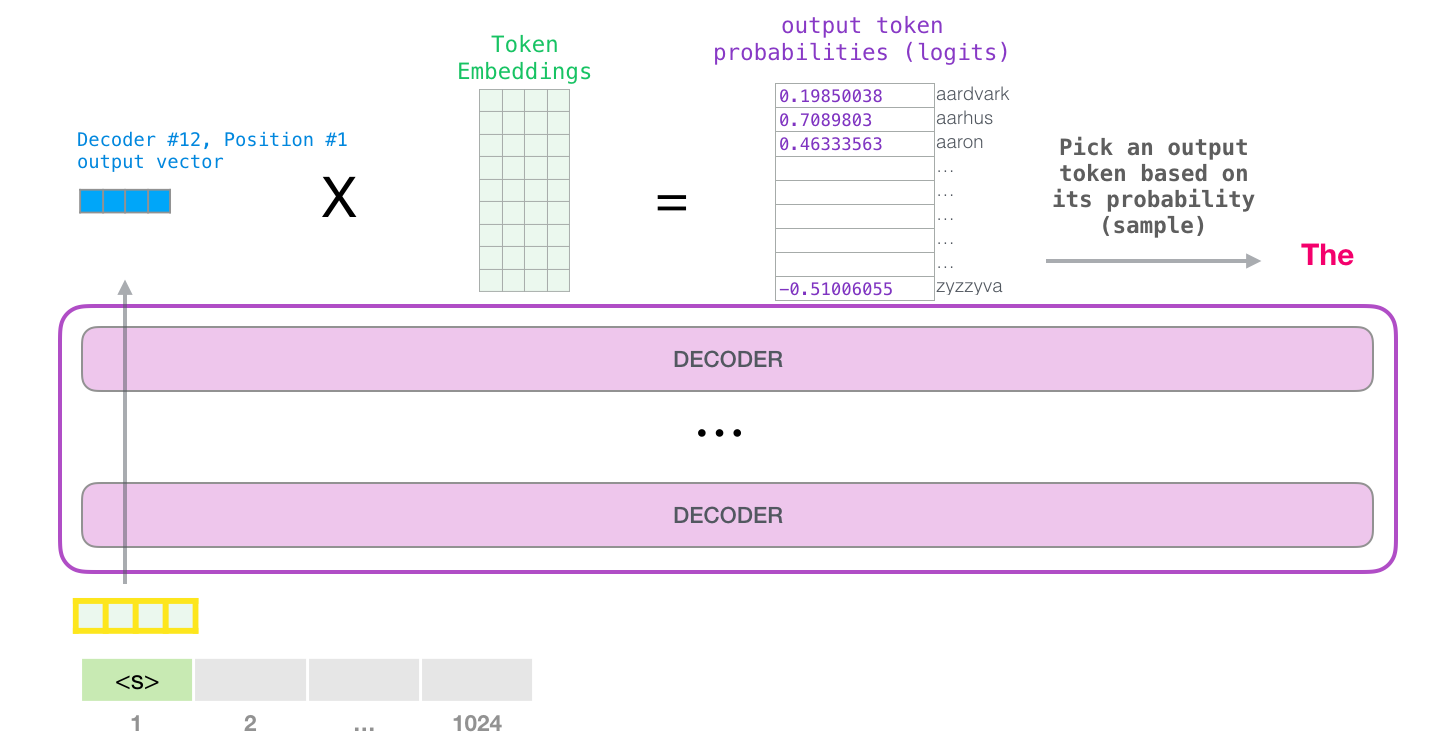
[P] The Illustrated GPT-2 (Visualizing Transformer Language Models)

Hello r/MachineLearning,

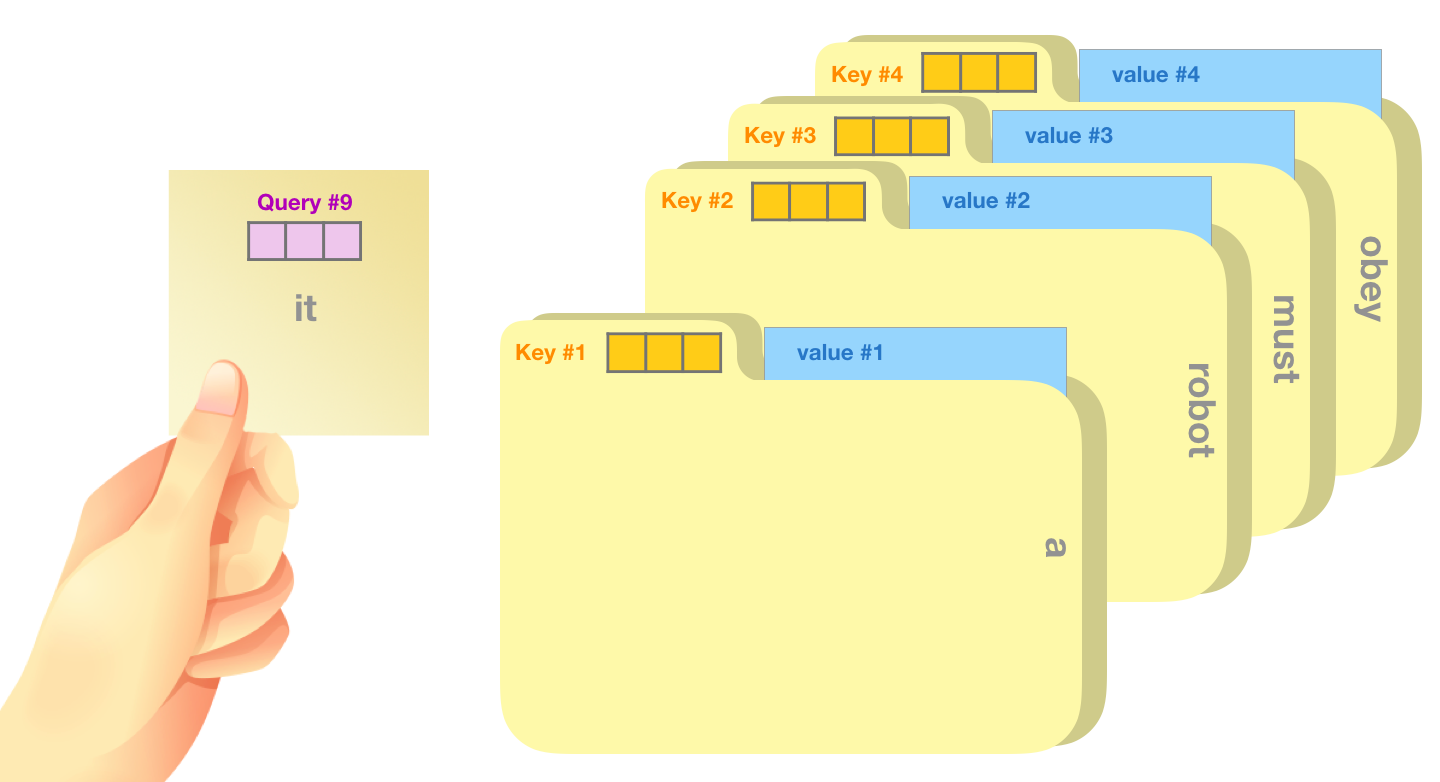
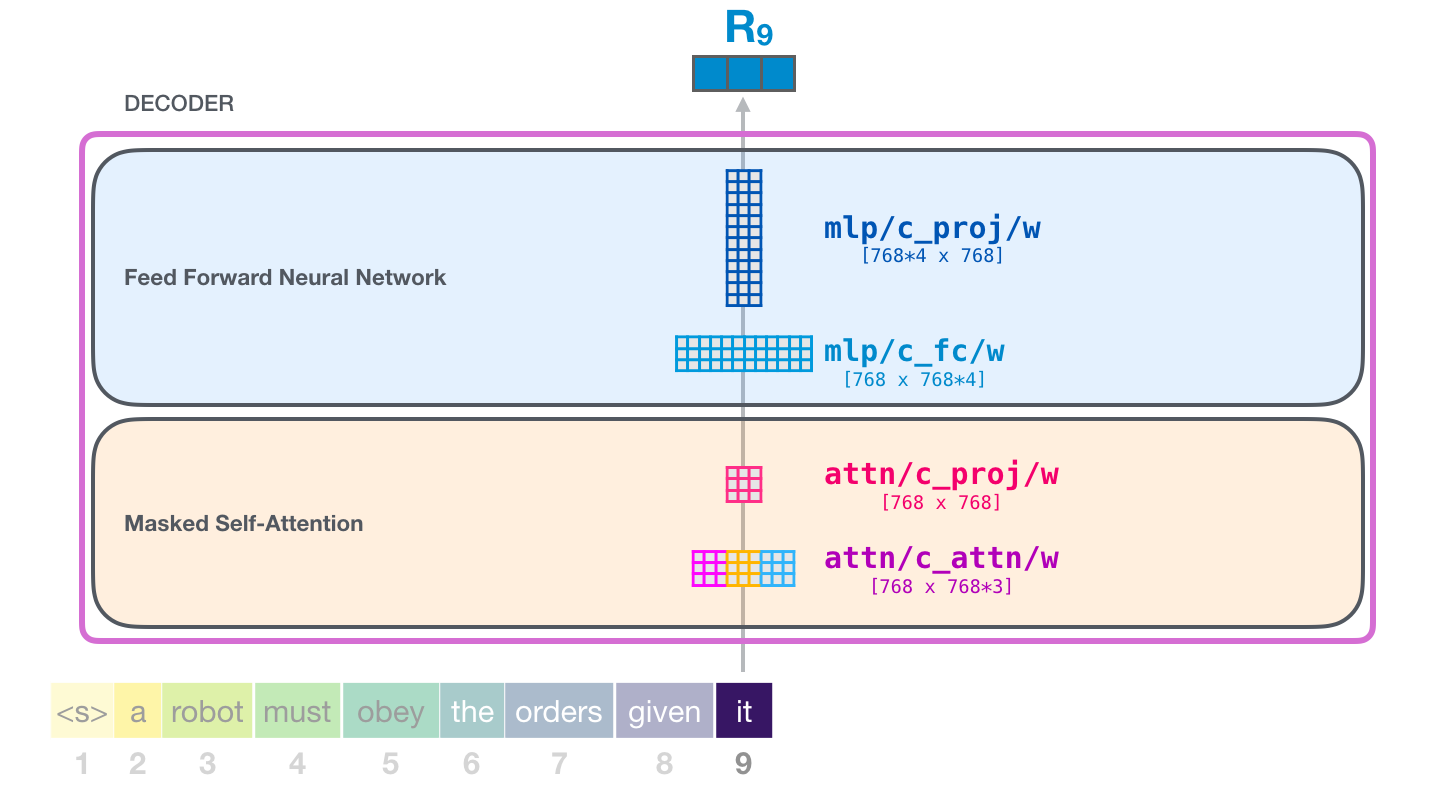
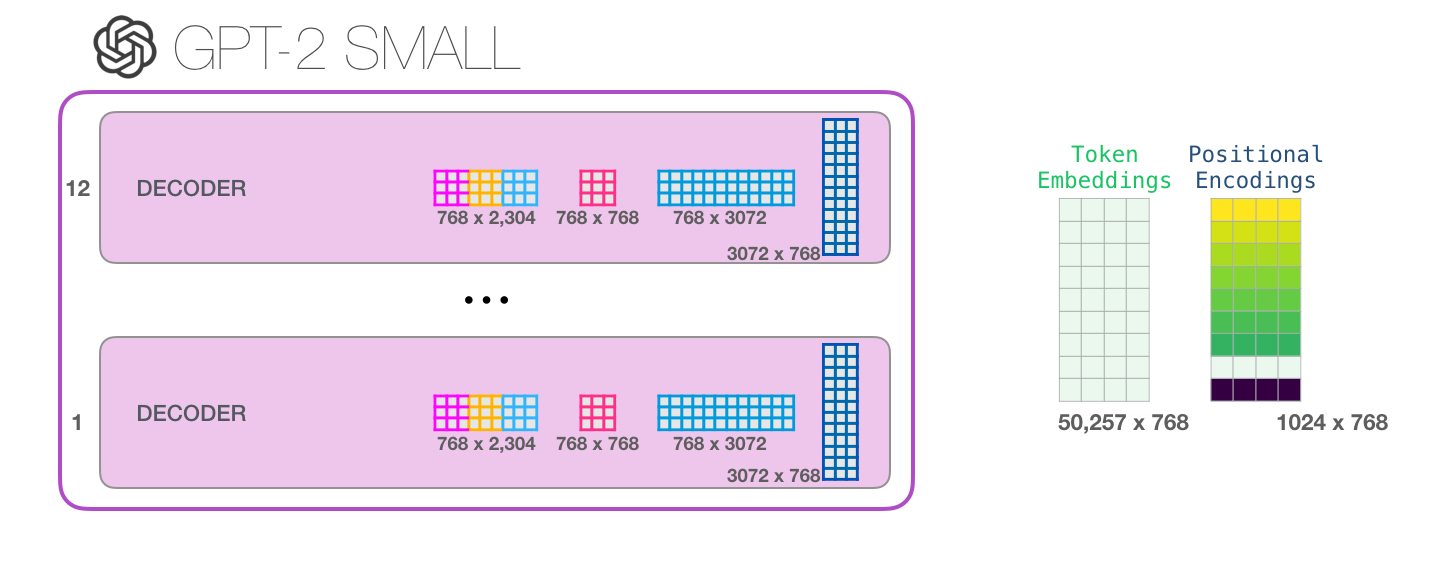
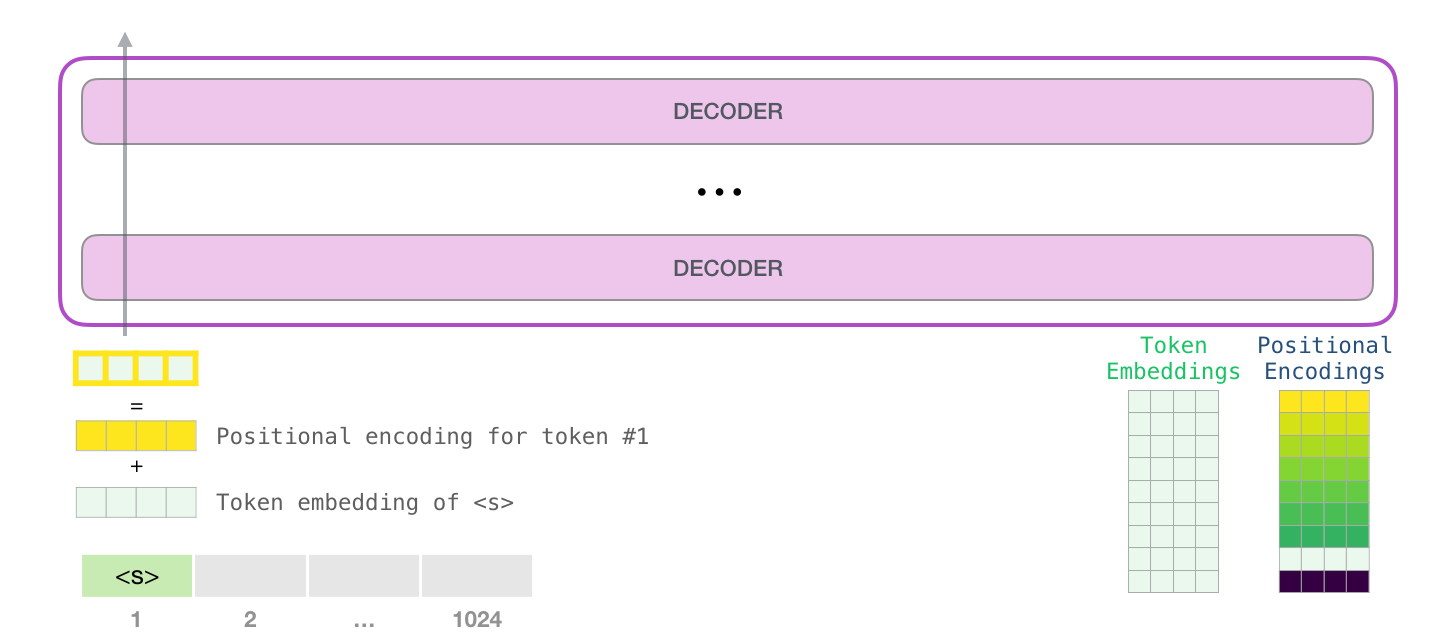
This is a new post in which I try to visualize the majority of what happens inside a trained GPT-2. We follow the journey of an input word from embedding, all the way up to the output of the model. I’ve also included a crude analogy for the query/key/value vectors of self-attention that I hope makes it easier for people starting out with transformer architectures. By the end of the post, we’d have looked at the major weight matrices of a single block, as well as the major weight matrices of the entire model. All feedback and corrections are welcomed!

The post: https://jalammar.github.io/illustrated-gpt2/

submitted by /u/nortab
[link] [comments]

[D] So, which direction should I go now? Which papers, in what order?

Background :- I am an undergrad just beginning my sophomore year, and have studied ML the entire past year. I understand Basic NLP, Computer Vision , Machine Learning.

I am interested in research and generally I can think of new ideas which I believe, are worth of doing research on. But , I am new to this world of research papers and learning from them . I have studied from few of them and understanding them fully made me very happy. I would like to go further into NLP. I know RNNs, LSTMs , GRUs, attention mechanism. And have read corresponding papers.

1.) Can anyone here give an “ordered” list of papers from here on ,which will move my basic knowledge ahead. Avoiding the papers that are certainly dead ends or won’t help if I am to do research further. A list that will increase my knowledge, from what I know, to the state of art; while also letting me “why people chose the architectures/techniques etc. that they did?”

2.) I want an “ordered” list , because , most of the times , I try to read a paper , after 4 pages , I end up jumping to another paper , then another , then another and so on. What do you guys do to avoid this?
submitted by /u/Jeevesh88
[link] [comments]

[D] Video game AI Platform suggestions

For building a video game AI what would people view as the ideal platform/tools? For both training and simulation.

The training would include the ability to work with prior replays of the game.

Currently based on my very basic research I’m thinking that using something like Kubeflow to enable people to do the data-science side of things and training inside of Jupyter

For the simulation a custom web-based interface to the game where the user can upload scripts and access previously created training data which will be run automatically.

Thoughts?

submitted by /u/ReDucTor
[link] [comments]