Category: Microsoft
Microsoft launches business school focused on AI strategy, culture and responsibility
In recent years, some of the world’s fastest growing companies have deployed artificial intelligence to solve specific business problems. In fact, according to new market research from Microsoft on how AI will change leadership, these high-growth companies are more than twice as likely to be actively implementing AI as lower-growth companies.
What’s more, high-growth companies are further along in their AI deployments, with about half planning to use more AI in the coming year to improve decision making compared to about a third of lower growth companies. Still, less than two in 10 of even high-growth companies are integrating AI across their operations, the research found.
“There is a gap between what people want to do and the reality of what is going on in their organizations today, and the reality of whether their organization is ready,” said Mitra Azizirad, corporate vice president for AI marketing at Microsoft in Redmond, Washington.
“Developing a strategy for AI extends beyond the business issues,” she explained. “It goes all the way to the leadership, behaviors and capabilities required to instill an AI-ready culture in your organization.”
On the road to developing a strategy, executives and other business leaders are often stalled by questions about how and where to begin implementing AI across their companies; the cultural changes that AI requires companies to make; and how to build and use AI in ways that are responsible, protect privacy and security, and comply with government rules and regulations.
Today, Azizirad and her team are launching Microsoft’s AI Business School to help business leaders navigate these questions. The free, online course is a master class series that aims to empower business leaders to lead with confidence in the age of AI.
Focus on strategy, culture and responsibility
AI Business School course materials include brief written case studies and guides, plus videos of lectures, perspectives and talks that busy executives can access in small doses when they have time. A series of short introductory videos provide an overview of the AI technologies driving change across industries, but the bulk of the content focuses on managing the impact of AI on company strategy, culture and responsibility.
“This school is a deep dive into how you develop a strategy and identify blockers before they happen in the implementation of AI in your organization,” said Azizirad.
The business school complements other AI learning initiatives across Microsoft, including the developer-focused AI School and the Microsoft Professional Program for Artificial Intelligence, which provides job-ready skills and real-world experience to engineers and others looking to improve their skills in AI and data science.
Unlike these other initiatives, AI Business School is non-technical and designed to get executives ready to lead their organizations on a journey of AI transformation, according to Azizirad.
Nick McQuire, an analyst who covers artificial intelligence for CCS Insight, said more than 50 percent of the companies his firm has surveyed are already either researching, trialing or implementing specific projects with AI and machine learning, but very few are using AI across their organization and identifying business opportunities and problems that AI can address.
“That’s because there’s limited understanding in the business community about what AI is, what it can do and, ultimately, what are the applications,” he said. “Microsoft is trying to fill that gap.”
 Mitra Azizirad, corporate vice president for AI marketing. Photo by Microsoft.
Teaching by example
INSEAD, a graduate business school with campuses in Europe, Asia and the Middle East, partnered with Microsoft to build the AI Business School’s strategy module, which includes case studies about companies across many industries that have successfully transformed their businesses with AI.
For example, a case study on Jabil describes how one of the world’s largest manufacturing solutions providers was able to reduce overhead costs and increase production line quality by using AI to check electronic parts as they are manufactured, freeing up employees to focus on value added activities that machines are unable to do.
“There is still a lot of work that has got to have the human capital piece in it, especially if it is not something that lends itself to standardized processes,” explained Gary Cantrell, senior vice president and chief information officer for Jabil.
A key to implementing AI, Cantrell added, was the leadership team’s focus on clearly communicating to employees the company’s strategy around AI – to eliminate routine, repetitive activities in order to free them up to focus on activities that cannot be automated.
“If they are guessing or they are speculating, it is undoubtedly going to become counterproductive at some point,” he said. “So, the better job you do at keeping the team glued together with where you are going, the better the adoption will be and the faster it will be.”
Prepping an AI-ready culture
The culture and responsibility modules of AI Business School also place a core focus on data. After all, companies that successfully embrace AI need to openly share data across departments and business functions, explained Azizirad, and make sure all employees can participate in the development and implementation of data-driven AI applications.
“You need to start out with an open approach to how the data of an organization is going to be used, which is the foundation of AI, to get the results that you are banking on,” she said, adding that successful leaders foster an inclusive approach to AI that brings different roles together and breaks down data silos.
To illustrate the point, the Microsoft AI Business School surfaces a case study from Microsoft’s marketing team, which wanted to use AI to better score leads for the sales team to pursue. To build the solution, marketing employees partnered with data scientists to create machine learning models that weigh thousands of variables to score leads. The collaboration brought together marketing employees’ knowledge on lead quality with the machine learning expertise of data scientists.
“In the case of AI and in the case of culture, the people closest to the business problem you are trying to solve really need to be involved,” said Azizirad, adding that the sales team is embracing the lead-scoring model because they trust it will produce high-quality leads.
AI and responsibility
Building trust also comes from developing and deploying AI systems in a responsible manner, an area that Microsoft’s market research has found resonates with business leaders. Among high-growth companies, the research found, the more leaders know about AI, the more they recognize that they need to make sure the AI is deployed responsibly.
The AI Business School module on the implications of responsible AI showcases Microsoft’s own work in this area. Course materials include real-world examples in which leaders at Microsoft learned lessons such as the need to safeguard AI systems against malicious attacks and the need for systems to detect bias in datasets used to train models.
“Over time, as companies become operationally dependent on these machine learning algorithms and models that they built, there’s going to be much more focus on governance,” said McQuire, the CCS Insight analyst.
Related:
- Check out AI Business School
- Read: Leaders look to embrace AI, and high-growth companies are seeing the benefits
- Read: Aiming to fill skills gap in AI, Microsoft makes training courses available to the public
- Read: Microsoft Launches Free AI Business School for Execs
John Roach writes about Microsoft research and innovation. Follow him on Twitter.
The post Microsoft launches business school focused on AI strategy, culture and responsibility appeared first on The AI Blog.
Is drought on the horizon? Researchers turn to AI in a bid to improve forecasts
As winter drags on, some people wonder whether to pack shorts for a late-March escape to Florida, while others eye April temperature trends in anticipation of sowing crops. Water managers in the western U.S. check for the possibility of early-spring storms to top off mountain snowpack that is crucial for irrigation, hydropower and salmon in the summer months.
Unfortunately, forecasts for this timeframe — roughly two to six weeks out — are a crapshoot, noted Lester Mackey, a statistical machine learning researcher at Microsoft’s New England research lab in Cambridge, Massachusetts. Mackey is bringing his expertise in artificial intelligence to the table in a bid to increase the odds of accurate and reliable forecasts.
“The subseasonal regime is where forecasts could use the most help,” he said.
Mackey knew little about weather and climate forecasting until Judah Cohen, a climatologist at Atmospheric and Environmental Research, a Verisk business that consults about climate risk in Lexington, Massachusetts, reached out to him for help using machine learning techniques to tease out repeating weather and climate patterns from mountains of historical data as a way to improve subseasonal and seasonal forecast models.
The preliminary machine learning based forecast models that Mackey, Cohen and their colleagues developed outperformed the standard models used by U.S. government agencies to generate subseasonal forecasts of temperature and precipitation two to four weeks out and four to six weeks out in a competition sponsored by the U.S. Bureau of Reclamation.
Mackey’s team recently secured funding from Microsoft’s AI for Earth initiative to improve and refine its technique with an eye toward advancing the technology for the social good.
“Lester is working on this because it is a hard problem in machine learning, not because it is a hard problem in weather forecasting,” noted Lucas Joppa, Microsoft’s chief environmental officer who runs the AI for Earth program, as he explained why his group is helping fund the research. “It just so happens that the techniques he is interested in exploring have huge applicability in weather forecasting, which happens to have huge applicability in broader societal and economic domains.”
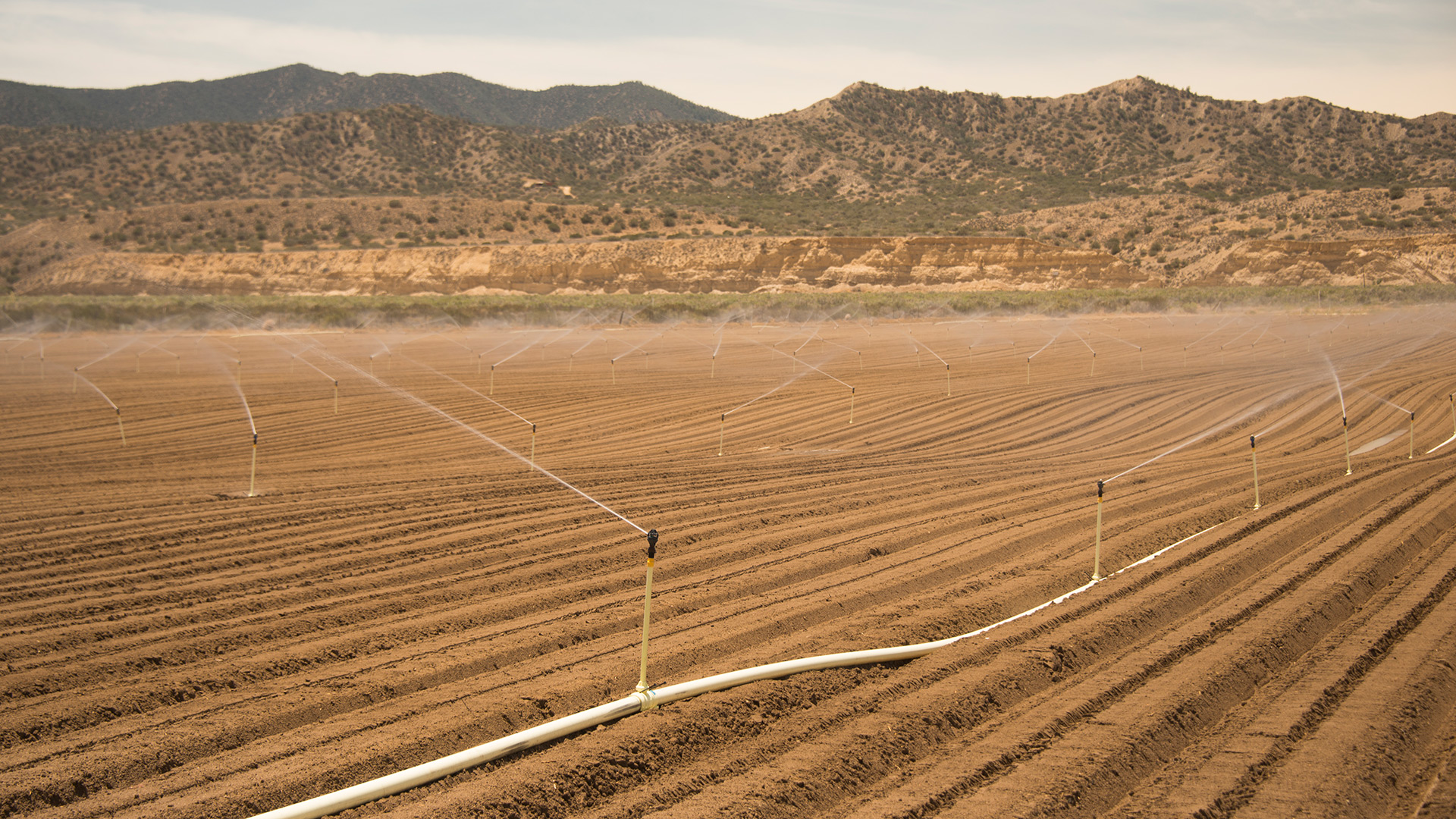 Photo by Getty Images.
AI on the brain
Mackey said current weather models perform well up to about seven days in advance, and climate forecast models get more reliable as the time horizon extends from seasons to decades. Subseasonal forecasts are a middle ground, relying on a mix of variables that impact short-term weather such as daily temperature and wind and seasonal factors such as the state of El Niño and the extent of sea ice in the Arctic.
Cohen contacted Mackey out of a belief that machine learning, the arm of AI that encompasses recognizing patterns in statistical data to make predictions, could help improve his method of generating subseasonal forecasts by gleaning insights from troves of historical weather and climate data.
“I am basically doing something like machine learned pattern recognition in my head,” explained Cohen, noting that weather patterns repeat throughout the seasons and from year to year and that therefore pattern recognition can and should inform longer-term forecasts. “I thought maybe I can improve on what I am doing in my head with some of the machine learning techniques that are out there.”
Using patterns in historical weather data to predict the future was standard practice in weather and climate forecast generation until the 1980s. That’s when physical models of how the atmosphere and oceans evolve began to dominate the industry. These models have grown in popularity and sophistication with the exponential rise in computing power.
“Today, all of the major climate centers employ massive supercomputers to simulate the atmosphere and oceans,” said Mackey. “The forecasts have improved substantially over time, but they make relatively little use of historical data. Instead, they ingest today’s weather conditions and then push forward their differential equations.”
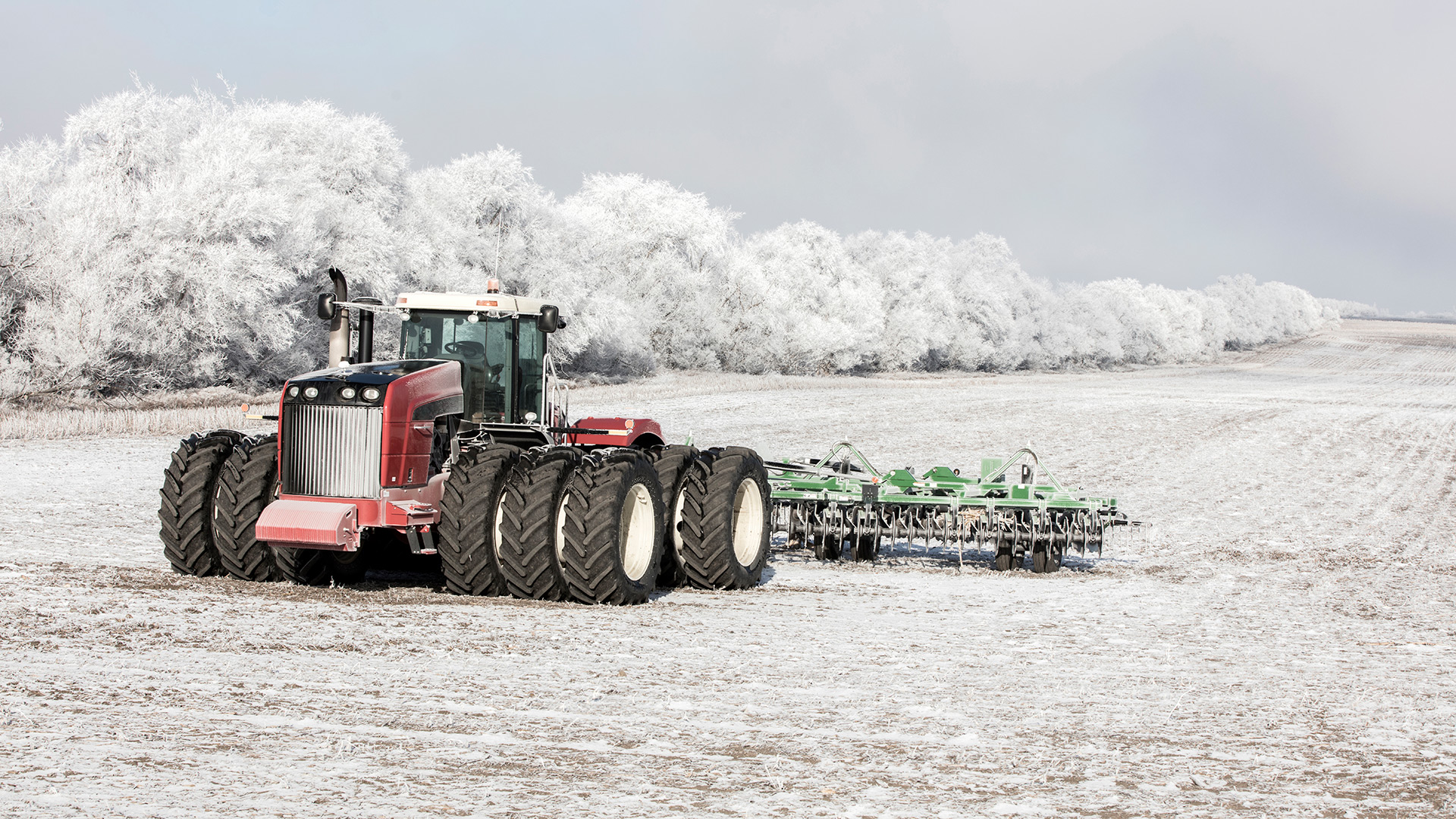 Photo by Getty Images.
Forecast competition
As Mackey and Cohen were discussing a research collaboration, Cohen received notice of a competition sponsored by the U.S. Bureau of Reclamation to improve subseasonal forecasts of temperature and precipitation in the western U.S. The government agency is interested in improved subseasonal forecasts to better prepare water managers for shifts in hydrologic regimes, including the onset of drought and wet weather extremes.
“I said, ‘Hey, what do you think about trying to enter this competition as a way to motivate us, to make some progress,’” recalled Cohen.
Mackey, who was an assistant professor of statistics at Stanford University in California prior to joining Microsoft’s research organization and remains an adjunct professor at the university, invited two graduate students to participate on the project. “None of us had experience doing work in this area and we thought this would be a great way to get our feet wet,” he said.
Over the course of the 13-month competition, the researchers experimented with two types of machine learning approaches. One combed through a kitchen sink of data containing everything from historical temperature and precipitation records to data on sea ice concentration and the state of El Niño as well as an ensemble of physical forecast models. The other approach focused only on historical data for temperature when forecasting temperature or precipitation when forecasting precipitation.
“We were making forecasts every two weeks and between those forecasts we were acquiring new data, processing it, building some of the infrastructure for testing out new methods, developing methods and evaluating them,” Mackey explained. “And then every two weeks we had to stop what we were doing and just make a forecast and repeat.”
Toward the end of the competition, Mackey’s team discovered that an ensemble of both machine learning approaches performed better than either alone.
Final results of the competition were announced today. Mackey, Cohen and their colleagues captured first place in forecasting average temperature three to four weeks in advance and second place in forecasting total precipitation five and six weeks out.
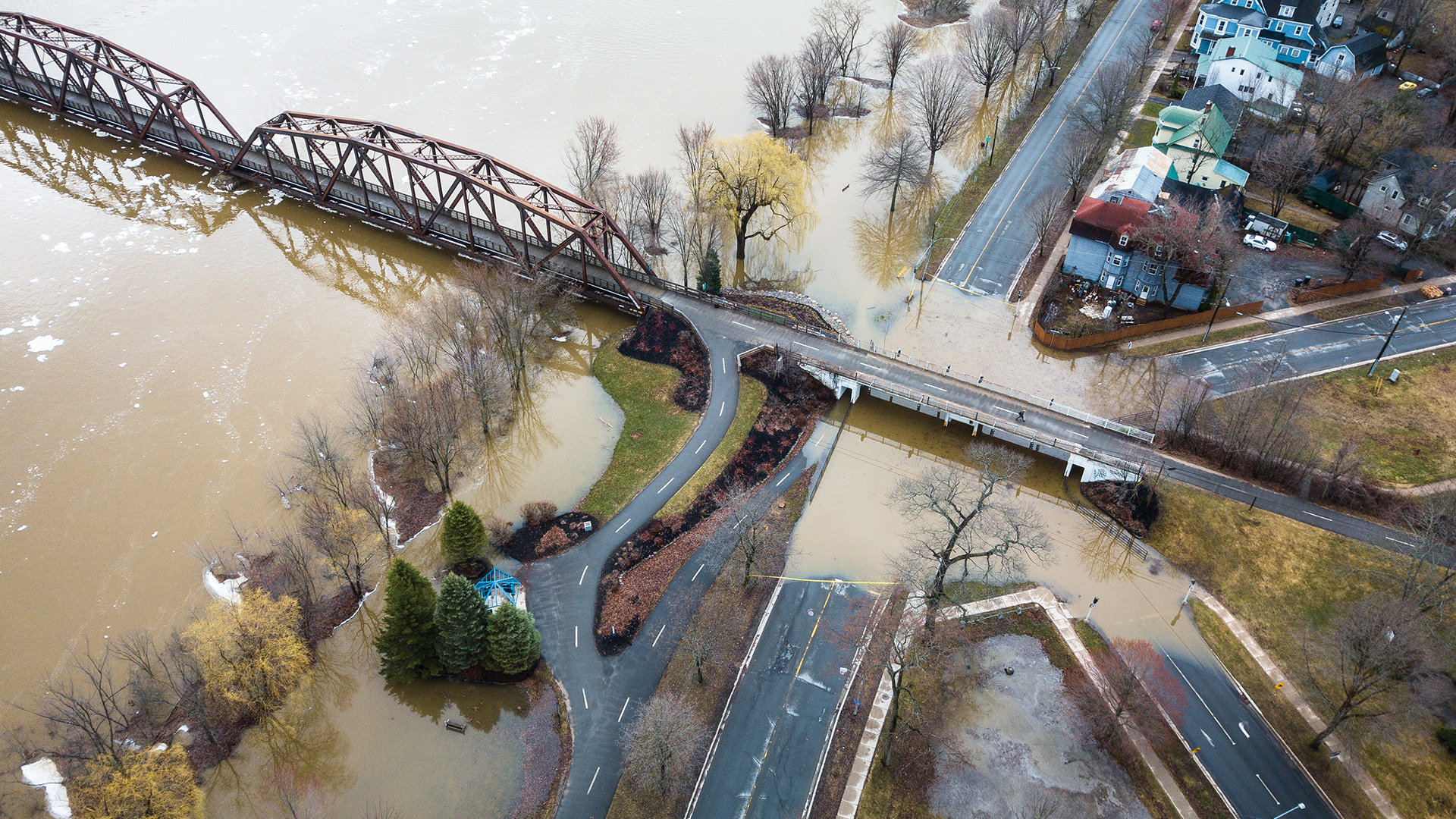 Photo by Getty Images.
Forecast for the future
After the competition, the collaborators combined their ensemble of machine learning approaches with the standard models used by U.S. government agencies to generate subseasonal forecasts and found that the combined models improved the accuracy of the operational forecast by between 37 and 53 percent for temperature and 128 and 154 percent for precipitation. These results are reported in a paper the team posted on arXiv.org.
“I think we will continue to see these types of approaches be further refined and increase in the breadth of their use within the field of forecasting,” said Kenneth Nowak, water availability research coordinator with the U.S. Bureau of Reclamation, who organized the forecast rodeo. He added that government agencies will “look for opportunities to leverage” machine learning in future generations of operational forecast models.
Microsoft’s AI for Earth program is providing funding to Mackey and colleagues to hire an intern to expand and refine their machine learning based forecasting technique. The collaborators also hope that other machine learning researchers will be drawn to the challenge of cracking the code to accurate and reliable subseasonal forecasts. To encourage these efforts, they have made available to the public the dataset they created to train their models.
Cohen, who kicked off the collaboration with Mackey out of a curiosity about the potential impact of AI on subseasonal to seasonal climate forecasts, said, “I see the benefit of machine learning, absolutely. This is not the end; more like the beginning. There is a lot more that we can do to increase its applicability.”
Related:
- Learn more about the U.S. Subseasonal Climate Forecast Rodeo
- Read the paper: Improving Subseasonal Forecasting in the Western U.S. with Machine Learning
- Access the SubseasonalRodeo Dataset
- Lester Mackey is a statistical machine learning researcher at Microsoft’s New England research lab.
- Judah Cohen is the head of seasonal forecasting at Atmospheric and Environmental Research.
- Lucas Joppa is Microsoft’s chief environmental officer and leads the AI for Earth initiative.
John Roach writes about Microsoft research and innovation. Follow him on Twitter.
The post Is drought on the horizon? Researchers turn to AI in a bid to improve forecasts appeared first on The AI Blog.